The announcement of Dangote starting upstream production marks a monumental turning point in Africa’s industrial landscape. In an April 17 interview, Devakumar Edwin, Vice President of Dangote Group’s oil and gas division, confirmed that the conglomerate has officially achieved “first oil” from its upstream assets. This breakthrough isn’t just a win for the company; it represents a strategic leap toward Nigeria’s total energy self-sufficiency.
For years, the world has watched the rise of the massive Dangote Refinery near Lagos. Now, with Dangote starting upstream oil production, the vision of a fully integrated energy powerhouse from the wellhead to the petrol pump is becoming a reality. This development comes at a critical time as Nigeria strives to meet its ambitious national production targets while navigating global market volatility.
In this deep dive, we explore the technical milestones, the strategic integration with the refinery, and what this means for the broader Nigerian economy in 2026.
The Dawn of a New Era: Dangote Upstream Oil Production
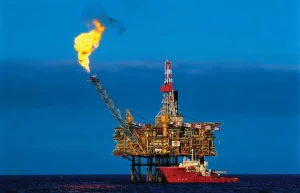
The journey toward Dangote, starting upstream production, reached a major milestone with the successful start-up of operations in the Niger Delta. The project, backed by the Dangote Group, began testing crude from its licenses following a long-awaited start-up in December 2025.
Currently, the venture is producing approximately 4,500 barrels per day (b/d) from the Kalaekule field. While this is a modest beginning compared to the refinery’s appetite, the growth trajectory is aggressive. According to Olajumoke Ajayi, CEO of West African E&P (WAEP), the project’s upstream output is expected to reach 15,000 b/d within the next month.
The Assets: OML 71 and OML 72
The core of Dangote’s upstream production lies in two strategic oil licenses: Oil Mining Lease (OML) 71 and OML 72. These licenses are located in the shallow waters southeast of the Niger Delta, roughly 22 kilometers from the onshore Bonny terminal.
- Ownership Structure: Dangote holds an 85% stake in WAEP, which in turn holds a 45% working interest in the two licenses.
- Partnerships: The state-owned Nigerian National Petroleum Corporation (NNPC) holds the remaining balance, while First E&P serves as the operator of the assets.
These blocks have a rich history, with the first discoveries dating back to 1966. WAEP acquired them from Shell in 2015, and after years of technical preparation, they are finally contributing to the nation’s daily output once again.
Strategic Integration: Powering the 650,000 b/d Refinery
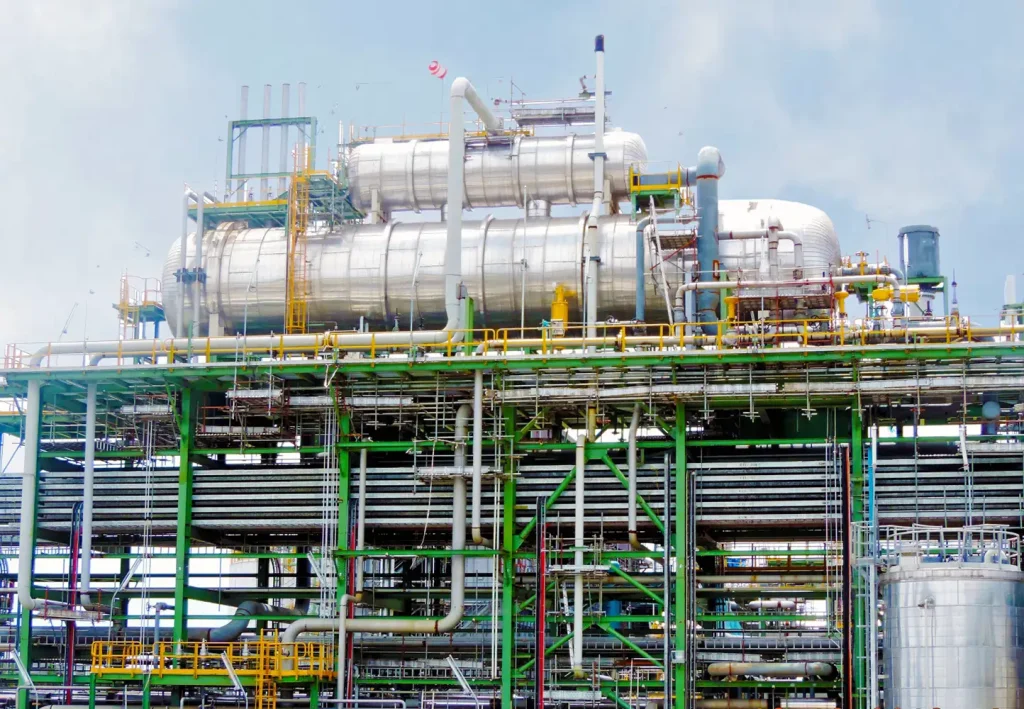
The ultimate goal of Dangote starting upstream production is refinery integration. David Bird, CEO of the refining businesses, highlighted that these upstream assets offer a reliable, indigenous source of crude for the group’s massive facility.
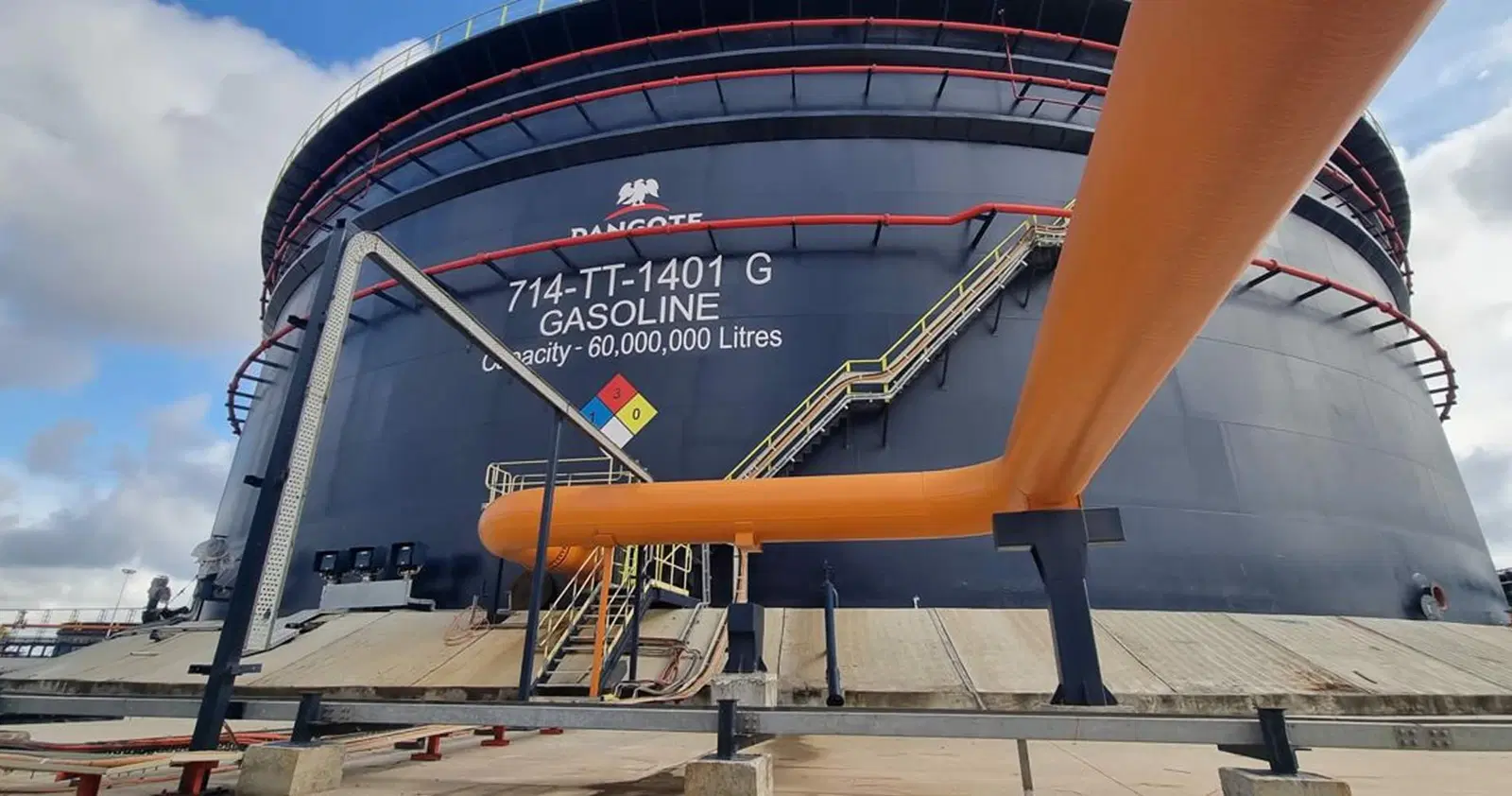
The Dangote Refinery, which reached its full 650,000 b/d nameplate capacity earlier this year, is a hungry beast. In the first quarter of 2025, Nigerian crude made up 65% of the refinery’s imports, supplemented by grades from the US and Angola. By producing its own crude, Dangote Group can significantly reduce its reliance on external sourcing and manage logistics more effectively.
Establishing a Shipping Presence
Beyond just pumping oil, the company is looking to own the entire value chain. Alongside Dangote starting upstream production, the group is seeking to establish its own shipping presence. According to Bird, the combination of indigenous production and Dangote-owned vessels could offer the refinery a “fully integrated” and highly attractive, stable crude supply.
This vertical integration is designed to:
- Reduce Logistics Costs: Cutting out third-party shipping fees.
- Improve Reliability: Ensuring a steady flow of feedstock regardless of global shipping disruptions.
- Optimize Value: Processing crude “if it makes sense” financially, while allowing joint venture partners to realize maximum value for every barrel.
Impact on Nigeria’s National Production Targets
The news of Dangote starting upstream production comes as a relief to a sector struggling with underinvestment and crude theft. Nigeria has set a production target of 2 million b/d for 2026, but as of March, national output stood at just 1.38 million b/d.
While the production from OML 71 and 72 is expected to plateau at around 43,000 barrels of oil equivalent per day by 2036, it represents a crucial step forward. It proves that with the right investment and indigenous drive, mature basins in the Niger Delta can be revitalized.
Expanding the Crude Basket
The refinery is not stopping at its own production. In April, the company began processing four new crude types. Bird noted that they are seeking to widen their basket of grades beyond the 40 types processed to date. This flexibility allows the refinery to run at high utilization rates, averaging 94% in March, despite fluctuations in local supply.
Furthermore, the NNPC is expected to provide half of the company’s feedstock in the coming months through a mix of Naira and dollar-denominated sales. This cooperation between the state-run giant and the private sector is essential for stabilizing the domestic fuel market.
How We Power Upstream Success
As the industry celebrates Dangote starting upstream production, the need for specialized technical support and compliant workforce solutions has never been higher. Navigating a drilling campaign in a mature basin requires more than just machinery; it requires elite talent and regulatory expertise.
At Kharis Petroleum Resources & Investments, we are at the forefront of supporting Nigeria’s energy expansion. Our global workforce mobility services are tailored to meet the needs of companies operating in the shallow waters and onshore terrains of the Niger Delta.
Some of our Services for the Upstream Sector Include:
- Technical Recruitment: Sourcing the engineers and geologists needed for complex drilling campaigns.
- Employer of Record (EOR): Managing payroll, visas, work permits, and local content compliance for expatriate and local teams.
- Compliance Consultancy: Ensuring your operations align with the latest NCDMB and upstream regulatory requirements.
As Dangote plans to double the refinery’s capacity by 2028 to make it the largest in the world, the demand for high-level technical staffing will only increase. Partner with Kharis to ensure your team is ready for the future of Nigerian energy.
Conclusion: A Historic Milestone for Africa
The successful start of Dangote’s upstream oil production is a testament to what is possible when vision meets world-class execution. By securing its own source of “first oil,” Dangote Group has strengthened the foundation of its refinery and taken a giant step toward insulating Nigeria from global energy shocks.
As the company prepares to pump marketable volumes in the coming weeks, the industry will be watching closely. This is more than just a corporate achievement; it is a signal to the world that Nigeria’s upstream sector is open for business and ready for a renaissance.
Are you looking to scale your operations in Nigeria’s revitalized oil and gas sector?
Contact us to discuss how our compliance and workforce solutions can support your growth.