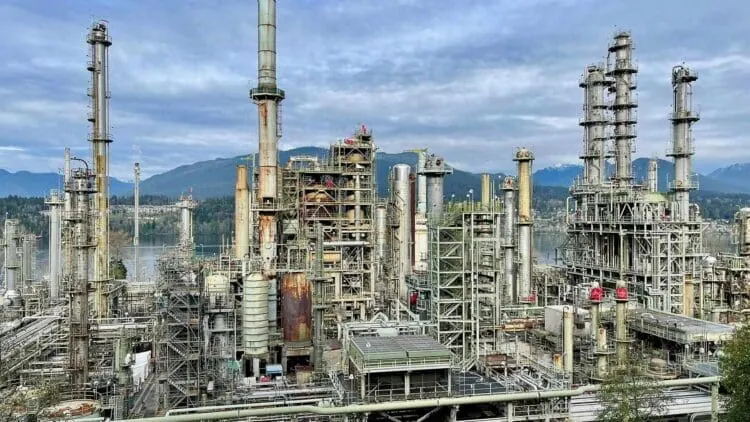
Why fuel prices in Ghana remain high is a question many drivers, traders, and households are asking, especially now that the Tema Oil Refinery (TOR) has resumed refining crude oil. If Ghana is refining fuel locally, why are consumers still paying so much at the pump?
The short answer is that a working refinery is only one part of a much bigger picture. This guide explains what has changed at TOR, what the refinery can and cannot do today, and why fuel prices in Ghana depend on global markets, the exchange rate, and national demand as much as on local refining.
In this guide, we explain what has changed at TOR, why fuel prices in Ghana remain high despite local refining, and what could help bring prices down over time.
Fuel prices in Ghana are still climbing at the pump, even though the Tema Oil Refinery (TOR) is processing crude again. For drivers, traders, and households, that feels contradictory. If Ghana is refining fuel at home, why is the price still so high?
What Has Changed at Tema Oil Refinery?
TOR spent several years largely idle. The refinery was shut down in 2021 because it lacked crude oil. Since then, the government has worked to bring it back. The refinery restarted operations in late 2025, and the Ghana Association of Banks described the restart as a possible anchor for cooling fuel prices.
Progress continued through 2026. In June 2026, the Minister for Energy and Green Transition announced that TOR was refining one million barrels of crude oil. Supplies of Ghana’s own Jubilee crude were also part of the revival, as President Mahama announced that TOR would begin refining crude from Ghana’s own offshore fields.
The ambition is large. The government’s target is to meet about 70 percent of domestic fuel needs through TOR and the Sentuo refinery combined. That is a worthwhile goal, but it is a target for the future. It does not describe how the market works today.
Why Fuel Prices in Ghana Are Still High
Several forces act on the pump price at once. A single refinery restart cannot cancel them all.
1. Global Crude Oil Prices Still Set the Tone
Even when crude is refined locally, it is generally priced against international benchmarks. When world oil prices rise, local prices follow. The latest price projections were attributed to higher global crude prices and a weaker cedi against the US dollar. Refining at home changes where the fuel is processed, but not the market that sets its value.
2. The Cedi Exchange Rate Raises Local Costs
Crude oil and refined products are traded in US dollars. When the cedi weakens, each barrel and each tonne costs more in local currency. This is why fuel prices in Ghana can rise even in weeks when global prices barely move. A weaker cedi also raises the cost of imported spare parts, chemicals, and equipment that refineries and depots rely on.
3. TOR’s Capacity Is Small Compared with National Demand
TOR is a modest facility. Its current refining capacity is 45,000 barrels per day, and the Chamber of Petroleum Consumers has urged the government to expand it to 100,000 barrels per day. That output helps, but it does not cover the whole country. Ghana still imports the bulk of its refined petroleum products. Because imports still fill the gap, the import price continues to drive the market.
The scale of that dependence is significant. Ghana spends about US$400 million every month importing petroleum products, and TOR’s deputy managing director has said a full revival could cut those imports by half. The word “could” matters here. The benefit grows with output, and output is still limited.
4. Taxes, Levies, and Margins Add to the Pump Price
The pump price is not just the cost of fuel. It also includes taxes, statutory levies, and the margins of depots, transporters, and oil marketing companies. These components do not fall automatically when a refinery restarts. When crude and currency costs rise, the whole chain adjusts upward together. The Chamber of Petroleum Consumers has even appealed to oil marketing companies to absorb part of the increases by reducing their margins.
5. Pricing Windows Pass Changes On Quickly
Prices are adjusted in regular pricing windows, which run twice a month. Movements in global prices and the exchange rate are passed on within each window. This keeps the system responsive, but it also means that bad weeks reach the pump fast. Good news at the refinery takes much longer to show up in prices.
For official price guidance, you can follow the National Petroleum Authority (NPA), which regulates the downstream sector.
What the October 2026 Pricing Window Shows About Fuel Prices in Ghana
The latest projections show how these forces work together. For the first pricing window of October 2026, petrol was projected to rise from GH¢16.90 to GH¢17.78 per liter, and diesel from GH¢18.24 to GH¢22.42 per liter. That is a projected rise of about 5 percent for petrol and about 23 percent for diesel.
The diesel jump is the more striking one. The international benchmark price of diesel rose by 8.51 percent to $1,524.22 per metric tonne. This shows that the price of imported and benchmarked diesel still dominates the local market. A refinery producing only part of the country’s needs cannot shield consumers from a sharp move like this.
The effects also spread beyond the pump. The projection came days after transport fares rose by 8 percent. Higher fuel costs raise the cost of moving goods and people, which feeds into food and service prices.
Does Local Refining Still Matter for Fuel Prices in Ghana?
Yes, but it is a medium-term benefit rather than an instant fix. Analysts have been careful here. Databank analysts noted that the refinery’s return should soften the impact of higher fuel costs, but that the benefits may be limited if international crude prices keep rising.
Local refining still offers real advantages:
- Foreign exchange savings: Every barrel refined at home reduces the dollars spent on imported products.
- Supply security: A working refinery reduces the risk of shortages when imports are delayed.
- Value kept in the country: Domestic crude processed locally supports jobs, skills, and industry.
- Long-term price stability: As capacity grows, Ghana depends less on volatile import markets.
For a wider view of how the state manages the sector, see the Ghana National Petroleum Corporation (GNPC) and the Ministry of Energy and Green Transition.
What Could Bring Fuel Prices in Ghana Down?
No single action will lower prices overnight, but several steps would help over time:
- Expand TOR’s capacity. Moving from 45,000 toward 100,000 barrels per day would let the refinery serve a much larger share of demand.
- Keep crude supply steady. The Chamber of Petroleum Consumers praised the government for keeping crude flowing to local refineries, which supports round-the-clock production. A refinery with no crude cannot refine anything.
- Stabilize the cedi. A steadier currency reduces the cost of every dollar-priced input. You can follow policy updates from the Bank of Ghana.
- Review levies and margins. Transparent, predictable charges help consumers and businesses plan.
- Diversify supply. Regional refineries such as Dangote in Nigeria already ship products to Ghana, and more competition among suppliers can improve availability.
How the Energy Supply Chain Connects to Fuel Costs
Fuel prices in Ghana are not only a consumer issue. They also affect the energy industry that produces the crude in the first place. Offshore production depends on vessels, crews, and logistics, all of which burn fuel and need dependable planning. When costs rise, careful scheduling and reliable partners become even more valuable. Kharis Petroleum Resources supports this upstream chain, and you can learn more about our approach in our guide to offshore project support. You can also explore our services or read more about us.
Practical Ways to Manage Fuel Costs When Fuel Prices in Ghana Rise
While the bigger fixes take time, individuals and businesses can limit the impact:
- Plan routes and trips. Combining trips and avoiding idling reduces consumption.
- Maintain vehicles and equipment. Properly inflated tyres and regular servicing improve efficiency.
- Track pricing windows. Knowing when prices change helps you time bulk purchases.
- Review contracts. Businesses with fuel-heavy operations should check whether their agreements allow for price adjustments.
- Plan logistics early. Good planning cuts waste, idle time, and emergency spending.
Frequently Asked Questions About Fuel Prices in Ghana
Why are fuel prices in Ghana still high if TOR is refining?
TOR’s output is small compared with national demand, and local fuel is still priced against global benchmarks. Crude prices, the exchange rate, taxes, levies, and margins all keep pump prices elevated.
Will fuel prices in Ghana fall when TOR reaches full capacity?
Higher output should reduce import dependence and soften price shocks over time. However, prices will still respond to world oil markets and the cedi, so a full restart is a help rather than a guarantee of cheaper fuel.
How often do fuel prices in Ghana change?
Prices are reviewed in pricing windows that run twice a month. Movements in global prices and the exchange rate are passed on in each window.
Does Ghana still import fuel?
Yes. Ghana still imports the bulk of its refined petroleum products, although local refining is meant to reduce that share over time.
Conclusion: A Slow Path to Lower Fuel Prices in Ghana
The revival of Tema Oil Refinery is good news for Ghana’s energy security, but it does not lower prices on its own. Global crude prices, the cedi, limited refining capacity, and the many costs built into the pump price all keep fuel prices in Ghana high for now. Real relief will come from higher refining output, steady crude supply, a stable currency, and transparent pricing working together.
Want to know how Kharis Petroleum Resources supports the energy sector? Contact our team to discuss your requirements.