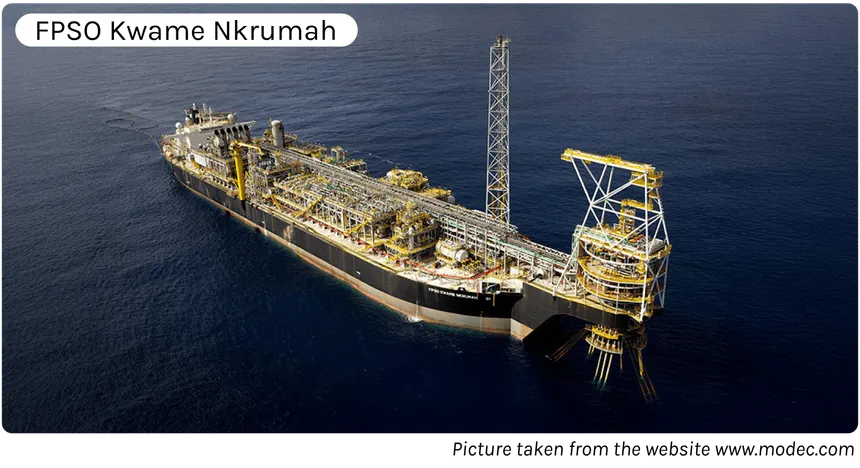
FPSO crew mobilization is a critical component of successful offshore oil and gas operations in West Africa. Floating Production, Storage and Offloading (FPSO) vessels depend on skilled, medically fit and properly certified personnel to maintain safe operations, meet production targets and comply with industry regulations.
However, mobilizing offshore personnel is not simply about arranging flights and transporting workers to a vessel. It involves coordinating recruitment, crew rotations, offshore training, medical assessments, immigration documentation, logistics, employment arrangements and regulatory compliance.
For oil and gas operators in Ghana and Nigeria, even a minor administrative oversight can result in delayed crew changes, increased operational costs, safety concerns and potential regulatory exposure.
As offshore exploration and production activities continue to create opportunities across West Africa, companies need reliable workforce strategies that support efficient and compliant offshore operations.
This guide explores the best practices for FPSO crew mobilization, focusing on crew rotation planning, offshore safety, regulatory requirements and workforce management in Ghana and Nigeria.
What Is FPSO Crew Mobilization?
FPSO crew mobilization refers to the structured process of identifying, recruiting, verifying, preparing and transporting qualified personnel to a Floating Production, Storage and Offloading vessel.
It covers every stage of the offshore workforce deployment process, from identifying personnel requirements to ensuring employees arrive safely, complete their assignments and return home according to their rotation schedules.
A typical mobilization process involves:
- Workforce planning: Identifying the number of personnel, technical skills and experience required for offshore operations.
- Recruitment and selection: Sourcing qualified offshore professionals for operational and technical positions.
- Medical assessments: Confirming that personnel meet the required offshore medical fitness standards.
- Training and certification: Verifying offshore survival training, emergency response qualifications and role-specific competencies.
- Immigration documentation: Processing relevant visas, work permits and residence documentation for expatriate personnel.
- Travel and logistics: Coordinating flights, accommodation, helicopter transfers and marine transportation.
- Offshore onboarding: Completing vessel inductions, safety briefings and operational handovers.
In West Africa, these activities require careful coordination because offshore projects often involve multinational teams, local content obligations and different immigration and employment regulations.
Why FPSO Crew Mobilization Is Important to Offshore Operations

An FPSO vessel operates within a complex offshore environment where production, processing, storage, maintenance and safety activities must remain coordinated.
The absence of qualified personnel in critical positions can disrupt operations and place additional pressure on existing crew members.
An effective mobilization strategy provides several important benefits.
1. Minimizes Operational Delays
Offshore production schedules depend on having the right personnel available when required. Delays caused by incomplete documentation, expired certificates or transportation problems can disrupt planned crew changes.
Advance workforce planning helps companies identify potential obstacles before they affect offshore operations.
2. Improves Offshore Safety
Offshore environments involve significant occupational risks. Personnel must understand emergency procedures, equipment handling, permit-to-work systems and their individual safety responsibilities.
Verifying qualifications and medical fitness before deployment reduces the risk of assigning unprepared personnel to offshore positions.
3. Controls Workforce and Operational Costs
Unplanned crew changes, emergency travel arrangements, extended accommodation and personnel standby can increase project expenditure.
A structured mobilization strategy allows companies to coordinate transportation, recruitment and workforce availability more efficiently.
4. Supports Regulatory Compliance
Oil and gas companies operating in Ghana and Nigeria must consider local employment requirements, immigration regulations, offshore safety standards and local content obligations.
Proper workforce documentation makes it easier to demonstrate compliance during regulatory inspections and client audits.

Best Practices for FPSO Crew Mobilization and Rotation Planning
Crew rotation planning is one of the most important aspects of offshore workforce management. FPSO personnel often work rotational schedules that allow them to alternate between offshore assignments and periods of rest.
Common rotation arrangements include 21 days on and 21 days off or 28 days on and 28 days off. However, actual schedules depend on the operator, employment arrangements, operational requirements and applicable fatigue-management policies.
The following practices can help companies improve their rotation planning.
1. Develop a Long-Term Crew Rotation Schedule
Companies should establish a rolling workforce schedule that identifies upcoming crew changes, personnel availability and critical operational requirements.
Planning several months ahead provides sufficient time to arrange medical examinations, renew training certificates, process immigration documents and coordinate transportation.
It also gives HR and offshore operations teams better visibility of potential staffing shortages.
2. Maintain a Qualified Relief Crew Database
Unexpected illness, emergencies, resignations and other circumstances can affect personnel availability.
Companies should maintain a database of qualified relief personnel who can fill critical positions when regular crew members are unavailable.
This is particularly important for technical and operational roles where replacing an experienced professional at short notice may be difficult.
3. Incorporate Fatigue Management into Rotation Planning
Fatigue is a significant concern in offshore operations. Long working hours, demanding offshore conditions and extended travel schedules can affect employee concentration and performance.
Employers should establish realistic working schedules, adequate rest periods, and appropriate handover arrangements.
Rotation policies should also consider applicable offshore working-hour requirements and client-specific fatigue-management procedures.
4. Coordinate Offshore Transportation and Logistics
Personnel must reach the appropriate departure point before their scheduled offshore transfer.
Crew changes may involve commercial flights, chartered aircraft, helicopters, marine vessels and designated offshore transportation providers.
Effective coordination between logistics teams, offshore operators, and personnel management teams helps minimize missed connections and unnecessary delays.
5. Use Digital Workforce Management Systems
Relying entirely on spreadsheets and email correspondence can make workforce coordination difficult, particularly when managing multinational offshore teams.
Digital workforce management systems can help organizations monitor:
- Crew rotation schedules.
- Medical certificate expiry dates.
- Offshore training and competency records.
- Visa and work permit validity.
- Personnel availability.
- Travel and deployment status.
Centralized workforce information improves accountability and allows managers to identify potential mobilization problems before they become operational challenges.
Offshore Safety Requirements for FPSO Crew Mobilization
Safety should be established before personnel leave the shore. Every individual assigned to an FPSO must meet the applicable medical, training, and competency requirements for their position.
A strong safety verification process helps protect employees, contractors, vessel operations and the wider offshore environment.
Offshore Survival Training and Certification
Offshore personnel may be required to complete Basic Offshore Safety Induction and Emergency Training (BOSIET) or other applicable offshore survival programs.
These programs typically cover essential safety areas such as:
- Helicopter underwater escape training, where applicable.
- Sea survival techniques.
- Firefighting and self-rescue.
- Emergency response procedures.
- First aid and personal safety.
Companies should verify that training certificates are valid and meet the requirements of the offshore operator and relevant industry standards.
The OPITO organization provides internationally recognized offshore training standards and competency frameworks.
Medical Fitness Assessments
Personnel must meet the medical fitness requirements applicable to their offshore assignments.
Offshore medical assessments help determine whether employees can safely perform their duties in demanding environments.
Employers should monitor medical certificate expiry dates and arrange renewals before scheduled crew changes.
Role-Specific Competency Verification
Different FPSO positions require different technical qualifications and operational experience.
For example, marine personnel, mechanical technicians, electrical engineers, process operators and safety officers must demonstrate the competencies required for their respective roles.
Employers should verify professional qualifications, relevant experience and client-specific training before deployment.
Vessel Induction and Emergency Preparedness
Personnel joining an FPSO for the first time must understand the vessel’s safety procedures and operational expectations.
This includes emergency muster arrangements, evacuation procedures, lifeboat locations, communication protocols and permit-to-work systems.
The International Association of Oil & Gas Producers (IOGP) provides valuable industry guidance and safety resources for organizations operating in the oil and gas sector.
Regulatory and Compliance Requirements for FPSO Crew Mobilization in Ghana and Nigeria
Regulatory compliance is a major consideration when deploying offshore personnel across West Africa.
Companies must understand the employment, immigration, safety and local content requirements applicable to their operations.
Although Ghana and Nigeria share some offshore workforce challenges, their regulatory frameworks are different.
1. Local Content and Workforce Participation
Local content regulations encourage the development and participation of national workers and businesses in the petroleum industry.
In Ghana, the Petroleum Commission oversees upstream petroleum activities and administers local content and local participation requirements under the applicable petroleum legislation and regulations.
In Nigeria, the Nigerian Content Development and Monitoring Board (NCDMB) oversees the implementation of Nigerian content requirements in the oil and gas industry.
Companies should incorporate local workforce development, recruitment and training into their offshore staffing strategies.
A well-structured approach helps organizations meet applicable local content obligations while developing the skills and experience of national personnel.
2. Work Permits, Visas and Immigration Compliance
Offshore projects frequently involve expatriate professionals with specialized technical skills.
However, foreign personnel must obtain the appropriate immigration authorizations before undertaking employment in the relevant country.
Depending on the country, nationality, assignment and employment structure, requirements may include entry visas, work permits, residence permits and other employment-related approvals.
Companies should begin immigration applications early and confirm that each employee’s documentation is appropriate for the intended assignment.
Incomplete applications, incorrect documentation or delayed approvals can affect deployment schedules.
Kharis Petroleum Resources & Investments provides work permit, visa and immigration support services to help businesses manage immigration requirements and workforce deployment across African markets.
3. Employment Contracts, Payroll and Tax Compliance
Managing offshore personnel across different jurisdictions can create employment and payroll administration challenges.
Companies must consider employment contracts, salary arrangements, applicable tax obligations, statutory contributions and other employment responsibilities.
For multinational offshore teams, payroll administration should account for the relevant employment jurisdiction and the individual’s working arrangements.
Professional global payroll management services can help organizations coordinate employee compensation, payroll documentation and applicable statutory obligations.
4. Workforce Documentation and Audit Readiness
Maintaining accurate workforce records is essential for regulatory compliance and effective offshore personnel management.
Companies should maintain accessible and up-to-date records covering:
- Employee identification and employment documentation.
- Offshore medical fitness certificates.
- Training and professional competency certificates.
- Work permits and immigration approvals.
- Crew rotation and travel records.
- Safety induction and emergency training records.
- Payroll and statutory employment documentation.
Regular documentation reviews help identify missing information before regulatory inspections, client audits or offshore deployment.
FPSO Crew Mobilization Checklist for Offshore Operators
A practical checklist helps HR managers, project managers and offshore operations teams coordinate the different stages of workforce deployment.
Before each crew change, companies should confirm the following:
Workforce planning
- Confirm the number of personnel and technical positions required.
- Establish the crew rotation schedule.
- Identify qualified replacement personnel.
- Confirm client and vessel-specific requirements.
Personnel verification
- Verify professional qualifications and employment records.
- Confirm offshore medical fitness.
- Check survival training and safety certificates.
- Validate role-specific competencies.
Immigration and employment
- Confirm applicable visa and work permit requirements.
- Process required immigration documentation.
- Review employment contracts and assignment terms.
- Confirm applicable payroll and statutory obligations.
Travel and logistics
- Arrange flights and offshore transportation.
- Confirm accommodation and transfer arrangements.
- Coordinate departure and arrival schedules.
- Allow sufficient time for unexpected logistical challenges.
Offshore onboarding
- Conduct pre-departure safety briefings.
- Complete vessel-specific induction.
- Confirm emergency procedures and communication arrangements.
- Document crew handovers and update rotation records.
Following this checklist helps make offshore personnel deployment more organized, predictable and compliant.
Common FPSO Crew Mobilization Challenges and How to Avoid Them
Even experienced offshore operators can encounter workforce deployment challenges. Identifying these risks early is essential to maintaining operational continuity.
| Common challenge | Recommended solution |
|---|---|
| Delayed visa and work permit approvals | Begin immigration applications well ahead of deployment. |
| Expired offshore medical certificates | Implement automated expiry tracking and renewal reminders. |
| Shortage of qualified relief personnel | Maintain a database of prequalified offshore professionals. |
| Missed flights and offshore transfers | Coordinate travel arrangements with logistics providers. |
| Incomplete training documentation | Conduct pre-mobilization competency verification. |
| Local content compliance gaps | Integrate national workforce participation into recruitment planning. |
| Payroll and employment administration errors | Use structured payroll and workforce management processes. |
The most effective approach is to treat workforce deployment as an integrated operational process rather than an isolated transportation activity.
Why Local Expertise Matters in West African Offshore Operations
Operating in Ghana and Nigeria requires an understanding of the region’s regulatory environment, workforce requirements, immigration procedures and offshore project logistics.
International operators entering these markets may encounter unfamiliar administrative processes, local employment obligations and documentation requirements.
A knowledgeable local partner can help bridge these gaps by coordinating recruitment, workforce administration, and immigration support and payroll activities.
Local expertise is particularly valuable when companies need to mobilize expatriate specialists while maintaining compliance with national employment and local content requirements.
Working with an experienced workforce solutions provider also allows internal HR and operations teams to concentrate on project execution, workforce productivity and safety performance.
How Kharis Petroleum Resources & Investments Supports Offshore Workforce Management
Effective offshore operations require more than technical equipment and production infrastructure. They also depend on having the right people, the right documentation and the right workforce management systems in place.
Kharis Petroleum Resources & Investments provides professional workforce and business support services to organizations operating across African markets.
Our services are designed to help businesses address workforce administration, employment compliance and personnel management challenges.
Our areas of support include:
- Workforce Management: Supporting workforce planning, personnel administration and employee coordination.
- Immigration Support: Assisting businesses with visa processing, work permits, residence permits and expatriate workforce documentation.
- Employer of Record (EOR): Supporting compliant employment arrangements for businesses expanding into new markets, subject to applicable local requirements.
- Payroll Management: Coordinating payroll administration and applicable employment-related statutory obligations.
- Business Advisory: Helping organizations navigate workforce and operational challenges when entering or expanding within African markets.
With operational experience and regional knowledge, Kharis aims to help companies improve workforce coordination, manage administrative requirements and support successful project execution.
Explore our offshore support services in Nigeria to learn more about how we support offshore workforce and project requirements.
Frequently Asked Questions About FPSO Crew Mobilization
1. What is FPSO crew mobilization?
FPSO crew mobilization is the process of recruiting, qualifying, documenting and deploying personnel to a Floating Production, Storage and Offloading vessel. It includes medical assessments, offshore training, immigration documentation, travel arrangements and onboarding.
2. How long does FPSO crew mobilization take?
The duration depends on personnel availability, nationality, certification status, immigration requirements and project arrangements. Personnel with valid offshore certificates and necessary permits may be deployed relatively quickly, while expatriates requiring new immigration approvals may need several weeks or longer.
3. What qualifications are required to work on an FPSO?
Requirements depend on the position and offshore operator. They may include relevant technical qualifications, offshore survival training such as BOSIET, a valid offshore medical certificate and role-specific competency assessments.
4. What are the common crew rotation schedules for FPSO personnel?
Common arrangements include 21 days on and 21 days off or 28 days on and 28 days off. Actual schedules vary according to operator policies, employment arrangements, operational requirements and applicable fatigue-management procedures.
5. Why is local content important in FPSO crew mobilization?
Local content requirements promote national workforce participation, skills development and local business involvement in the petroleum industry. Companies operating in Ghana and Nigeria must consider the relevant national content regulations when planning recruitment and personnel deployment.
6. How can companies reduce offshore crew mobilization delays?
Companies can minimize delays through early workforce planning, advance immigration processing, regular certificate verification, qualified relief crew databases, effective logistics coordination and centralized workforce documentation.
Conclusion: Building Safer and More Efficient Offshore Workforce Operations
Successful FPSO crew mobilization depends on effective planning, qualified personnel, comprehensive safety preparation and regulatory compliance.
For offshore operators in Ghana, Nigeria and across West Africa, managing these responsibilities proactively can reduce workforce deployment delays, improve operational continuity and protect employees working in demanding offshore environments.
Companies that invest in structured crew rotation systems, reliable documentation and professional workforce management are better positioned to meet project demands and maintain consistent offshore performance.
At Kharis Petroleum Resources & Investments, we understand the importance of reliable workforce solutions in supporting oil and gas operations.
Whether your organization requires offshore workforce management, expatriate immigration support, compliant employment arrangements or payroll administration, our team is positioned to help.
Partner with Kharis Petroleum Resources & Investments to strengthen your offshore workforce management strategy.
Visit www.kharispetroleumresources.com or contact our team to discuss your workforce and offshore project support requirements.