

Ghana oil and gas tax compliance is a critical consideration for international operators, contractors, service companies and other businesses participating in Ghana’s petroleum industry. It covers more than calculating and paying tax. Companies must understand the tax rules applicable to their activities, maintain appropriate records, manage withholding and employee-related obligations, and ensure that their commercial arrangements are consistent with Ghana’s legal and regulatory framework.
The importance of getting this right has been highlighted by the recent tax dispute involving Tullow Ghana Limited. On 29 September 2026, an International Chamber of Commerce (ICC) arbitral tribunal dismissed Tullow’s claims and upheld the Ghana Revenue Authority’s (GRA) tax assessment of US$393,091,993.70 in a dispute concerning business interruption insurance proceeds. The GRA said the tribunal also found that the assessment did not breach the applicable Petroleum Agreements, was not time-barred, and that the GRA’s enforcement action was lawful.
The case provides an important and current example of why tax compliance should be treated as a business and operational issue rather than an accounting exercise.
Note: The US$393 million figure includes the penalty applied to the underlying tax assessment. Tullow’s own disclosure identifies the underlying corporate income tax assessment as approximately US$196.5 million in relation to proceeds received under its business interruption insurance policy for the 2016–2019 financial years.
What Does Ghana Oil and Gas Tax Compliance Involve?
Ghana oil and gas tax compliance refers to a company’s ability to correctly identify, calculate, report and pay the taxes and related obligations that apply to its activities in Ghana.
For petroleum-sector businesses, compliance can involve several areas, including:
- Petroleum and corporate income tax obligations
- Withholding tax
- Employee taxation and PAYE
- Tax treatment of deductions and business expenses
- Cross-border payments and transactions
- Insurance and other potentially taxable proceeds
- Intercompany arrangements
- Tax documentation and record keeping
- Statutory filings and reporting
- Contractual tax provisions and the relationship between tax law and Petroleum Agreements
The exact obligations depend on the nature of the business, the company’s structure, its contractual arrangements and whether it is an upstream operator, contractor, subcontractor or another type of service provider.
GRA’s current guidance lists petroleum income tax at 35% and separately provides withholding-tax rules relevant to petroleum operations, including payments to petroleum subcontractors.
This is why companies should not treat oil and gas tax compliance as a single tax calculation. It is better understood as a framework of connected tax and reporting responsibilities.
Why Oil and Gas Tax Compliance Requires a Broader View
The petroleum sector involves complex contracts, significant capital expenditure, multinational ownership structures, specialist employees, offshore operations and cross-border transactions.
A company may therefore face tax questions at several points in its operations.
For example, management may need to consider:
- How revenue is classified and reported
- Whether particular costs qualify for deduction
- How payments to contractors and subcontractors should be treated
- Whether withholding tax applies to a payment
- How employee compensation should be taxed
- How payments involving non-resident parties should be handled
- Whether insurance proceeds or other receipts have tax consequences
- Whether documentation is sufficient to support the company’s tax position
GRA guidance also highlights separate petroleum-operation rules, including provisions dealing with losses, petroleum operations and withholding tax.
The practical lesson is that tax should be considered when transactions and commercial structures are designed not only when a tax return is being prepared.
What Was the Tullow Ghana Tax Dispute About?
The dispute arose from the tax treatment of proceeds Tullow received under its corporate Business Interruption insurance policy during the 2016–2019 financial years.
According to Tullow, the underlying corporate income tax assessment was approximately US$196.5 million. Tullow disputed the assessment and subsequently referred the matter to ICC arbitration in London.
The GRA maintained that the insurance proceeds were taxable under Ghanaian law. With a 100% penalty applied, the total assessment reached approximately US$393.09 million.
The dispute ultimately became an international arbitration matter, demonstrating how a tax position can develop into a much larger commercial and operational issue when it remains unresolved.
What Did the ICC Tribunal Decide?
The tribunal dismissed Tullow Ghana Limited’s claims and upheld the GRA’s assessment of US$393,091,993.70.
The GRA reported that the tribunal found that:
- The tax assessment was valid.
- The assessment did not breach the applicable Petroleum Agreements.
- The assessment was not time-barred.
- The GRA’s enforcement action was lawful.
- The assessment of US$393,091,993.70 was upheld.
Tullow’s own statement provides an important additional distinction. While the tribunal ruled that the underlying assessment did not breach the Petroleum Agreements, it also ruled that the 100% penalties fell outside the scope of the contractual protections in those agreements.
That distinction matters because it separates two questions that are easy to confuse: whether the underlying tax assessment was valid and whether the contractual protections covered the penalty.
Finance Minister Dr. Cassiel Ato Forson said the ruling “vindicates the position Ghana has maintained throughout: that every company operating in this country, regardless of its size, is subject to the laws of Ghana.”
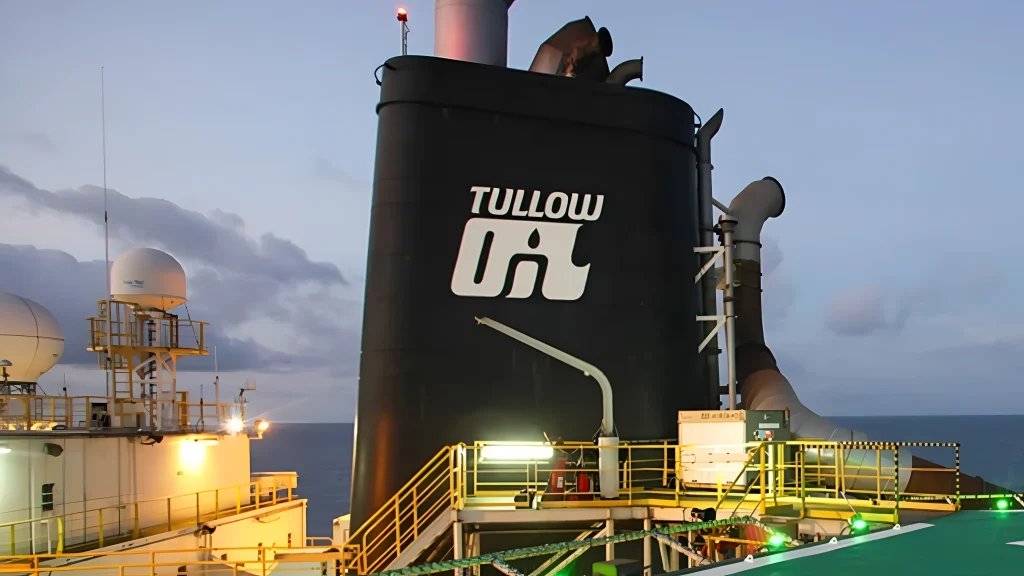
Why the Tullow Ruling Matters for Ghana Oil and Gas Tax Compliance
he case is significant beyond Tullow itself because it illustrates the financial, contractual and operational consequences that can arise from a disputed tax position.
For companies operating in Ghana’s petroleum sector, the lesson is straightforward: tax compliance must be considered alongside contracts, transactions, documentation and business operations.
A tax issue can affect:
- Cash flow
- Investment decisions
- Contract negotiations
- Financial reporting
- Cross-border arrangements
- Relationships with tax authorities
- Operational continuity
- The overall cost of doing business
The Tullow case therefore reinforces the need for companies to identify potential tax exposure before it becomes a formal assessment or dispute.
Do Petroleum Agreements Replace Ghanaian Tax Law?
No.
One of the important findings reported by the GRA is that the assessment did not breach the applicable Petroleum Agreements. The case therefore reinforces the importance of understanding both the contractual framework governing petroleum operations and the tax obligations that apply under Ghanaian law.
For international companies entering Ghana, a Petroleum Agreement should not be viewed in isolation.
Companies also need to consider:
- Ghana’s tax laws and administrative requirements
- The company’s specific tax structure
- Cross-border payments
- Contractor and subcontractor arrangements
- Employee taxation
- Withholding obligations
- Documentation and reporting
- The tax treatment of unusual or one-off transactions
This is particularly important for businesses whose international tax structure was originally designed for another jurisdiction and later adapted for Ghanaian operations.
Five Key Lessons for Companies Operating in Ghana
1. Tax Compliance Is a Strategic Business Issue
Tax exposure can affect investment decisions, cash flow, contractual structures and the cost of operating in Ghana.
Companies should therefore assess the tax consequences of important transactions before contracts are signed, employees are engaged, or cross-border structures are implemented.
Compliance should be part of commercial planning, not an afterthought.
2. Local Expertise Matters
International businesses may understand their global tax structures while still being unfamiliar with Ghana-specific requirements.
Local expertise can help businesses identify applicable obligations, assess transactions and maintain compliance with Ghanaian requirements.
This becomes particularly important when companies are entering Ghana for the first time or expanding an existing operation.
3. Documentation Is Critical
Strong documentation is an important part of defending a tax position.
Companies should maintain accurate records relating to:
- Revenue
- Expenses
- Deductions
- Contracts
- Insurance proceeds
- Payroll
- Withholding tax
- Intercompany transactions
- Cross-border payments
A transaction that appears straightforward commercially may require detailed documentation when its tax treatment is reviewed later.
4. Tax and Workforce Compliance Are Connected
For companies employing local or international personnel in Ghana, tax compliance does not stop with corporate taxation.
Employee compensation can give rise to PAYE and other employment-related obligations. GRA’s current PAYE guidance confirms that employers have withholding responsibilities in respect of employee income, while the tax treatment of individuals can also vary according to their residency and circumstances.
International employees can introduce additional considerations involving employment contracts, immigration status, work permits, payroll and statutory deductions.
This means companies should avoid managing tax, payroll, immigration and workforce matters as completely separate functions where those obligations overlap.
5. Compliance Must Keep Pace with Legislative Changes
Tax compliance is not a one-time exercise.
Ghana’s tax framework can change through legislation, amendments, administrative guidance and updated GRA practice.
For example, the GRA announced that the Income Tax (Amendment) Act, 2026 (Act 1178) took effect on 1 September 2026, including amendments to individual income-tax rates.
Businesses should therefore periodically review whether legislative and administrative changes affect their existing tax, payroll and reporting processes.
Common Areas of Tax Exposure for Oil and Gas Companies

Although the precise obligations vary by company and activity, businesses operating in Ghana’s oil and gas sector should pay particular attention to several recurring areas.
Corporate and Petroleum Tax
Companies need to understand the tax treatment applicable to their petroleum operations and business activities. GRA currently lists petroleum income tax at 35%.
Withholding Tax
Withholding obligations can arise when companies make payments to contractors, service providers and other counterparties.
GRA’s current guidance includes specific provisions for payments to petroleum subcontractors and for payments involving non-resident persons.
Employee Tax and Payroll
Employers must correctly manage employee taxation and PAYE obligations. This becomes particularly important where a business operates with expatriate or internationally mobile employees.
Cross-Border Transactions
International payments can create additional tax and documentation considerations. Businesses should assess the treatment of payments before transactions are executed rather than assuming that a global arrangement automatically applies in Ghana.
Insurance and Other Non-Routine Receipts
The Tullow dispute demonstrates why businesses should pay particular attention to the tax treatment of unusual receipts. An insurance payment may have a significant tax impact depending on the nature of the transaction and the applicable rules.
Intercompany Transactions
Multinational groups should review intercompany arrangements carefully and ensure that their tax treatment, documentation and reporting are consistent with applicable Ghanaian requirements.
What Should Companies Operating in Ghana Do Now?
Rather than waiting for an assessment or dispute, companies should consider a structured compliance review covering:
- Corporate and petroleum-sector tax obligations
- Withholding tax
- Payroll and employee taxation
- Cross-border workforce arrangements
- Immigration and work-permit compliance
- Contractual tax provisions
- Insurance and other potentially taxable proceeds
- Intercompany transactions
- Tax documentation and record keeping
- Statutory reporting and filing requirements
- Recent legislative and regulatory changes
The purpose of such a review is not simply to determine whether a company has filed its returns. It is to assess whether the company’s commercial activities, contracts, financial processes, workforce arrangements and tax positions are aligned.
What the Ruling Means for International Companies Entering Ghana
For an international company considering Ghana, the lesson is particularly relevant.
Tax planning should begin before operations are launched.
Before entering the market, businesses should assess issues such as:
- The appropriate operating structure
- Local tax registration and obligations
- Contracts with Ghanaian entities
- Payments to non-resident parties
- Contractor and subcontractor arrangements
- Employee and expatriate taxation
- Payroll
- Immigration and work permits
- Record-keeping requirements
- Relevant Petroleum Agreement provisions, where applicable
Getting these questions right at the beginning can help reduce the risk of expensive corrections later.
How Kharis Petroleum Supports Compliance
For companies operating or planning to operate in Ghana, tax compliance is often connected to broader workforce and operational requirements.
Kharis Petroleum Resources & Investments supports businesses with services spanning tax management, global staff management, payroll, immigration and workforce-related compliance.
This integrated approach can be particularly useful for companies that need to coordinate several functions rather than managing taxation, payroll and international workforce requirements separately.
Whether a company is entering Ghana, expanding an existing operation or reviewing its current compliance position, the objective should be the same: identify potential exposure early and build processes that support compliant operations.
Need support reviewing your company’s tax, payroll or workforce compliance position in Ghana? Talk to the Kharis Petroleum team about your requirements.
Frequently Asked Questions
What is Ghana oil and gas tax compliance?
Ghana oil and gas tax compliance involves identifying, calculating, reporting and paying the taxes and related obligations applicable to a company’s petroleum-sector activities in Ghana. Depending on the business, this can include petroleum income tax, withholding tax, employee taxation, documentation and other reporting obligations.
What tax rate applies to petroleum income in Ghana?
GRA’s current Corporate Income Tax guidance lists petroleum income tax at 35%. Companies should confirm the rules applicable to their specific activities and circumstances before relying on a general rate.
What was the Tullow Ghana tax dispute about?
The dispute concerned the tax treatment of business interruption insurance proceeds received by Tullow during the 2016–2019 financial years. Tullow identified the underlying corporate income tax assessment as approximately US$196.5 million. The total assessment including the 100% penalty was approximately US$393.09 million.
What did the ICC tribunal decide in the Tullow case?
The tribunal dismissed Tullow’s claims and upheld the GRA’s US$393,091,993.70 assessment. The GRA reported that the tribunal also found the assessment did not breach the applicable Petroleum Agreements, was not time-barred and that the GRA’s enforcement action was lawful.
Do Petroleum Agreements replace Ghanaian tax law?
A Petroleum Agreement is part of the contractual framework governing petroleum operations, but companies must also comply with the applicable tax laws and administrative requirements in Ghana. The Tullow ruling is a significant example of the importance of understanding both frameworks.
Does oil and gas tax compliance include payroll?
Yes. Where a petroleum company employs people in Ghana, employee taxation and PAYE can form part of the company’s wider compliance responsibilities. GRA’s current guidance confirms employer withholding obligations on employee income.
What should an international company review before entering Ghana?
A company should assess its operating structure, tax obligations, contracts, cross-border transactions, workforce arrangements, payroll, immigration requirements, documentation and reporting responsibilities before commencing operations.
How can companies reduce the risk of a tax dispute?
Companies can reduce exposure by reviewing transactions early, maintaining accurate records, monitoring legislative changes, obtaining appropriate local expertise and periodically assessing whether their tax, payroll and operational processes remain compliant.
Conclusion
The Tullow tax ruling is an important reminder that Ghana oil and gas tax compliance is a business-critical responsibility.
The case involved the taxation of business interruption insurance proceeds and resulted in a tribunal decision upholding the GRA’s US$393,091,993.70 assessment. More broadly, it illustrates how a tax position can become intertwined with contracts, documentation, corporate structures and international business operations.
For companies operating in Ghana’s petroleum sector, the practical lesson is not simply to prepare for a tax assessment. It is to build compliance into the way the business operates.
That means understanding applicable tax obligations, documenting transactions properly, managing payroll and workforce requirements, monitoring regulatory changes and reviewing potential areas of exposure before they become disputes.i
For businesses entering or expanding in Ghana, proactive compliance is not just about reducing tax risk. It is about creating a stronger foundation for sustainable operations.