In the wake of the 2026 global energy crisis, where Middle East tensions have pushed crude oil prices past the $100-per-barrel mark, Ghana has found a surprising lifeline: the Tema Oil Refinery (TOR).
After returning to full operations in late 2025, Tema Oil Refinery has transitioned from a struggling national asset into a strategic shield. Here is how the “2026 Reset” is rewriting Ghana’s economic future.
1. Strengthening National Energy Security
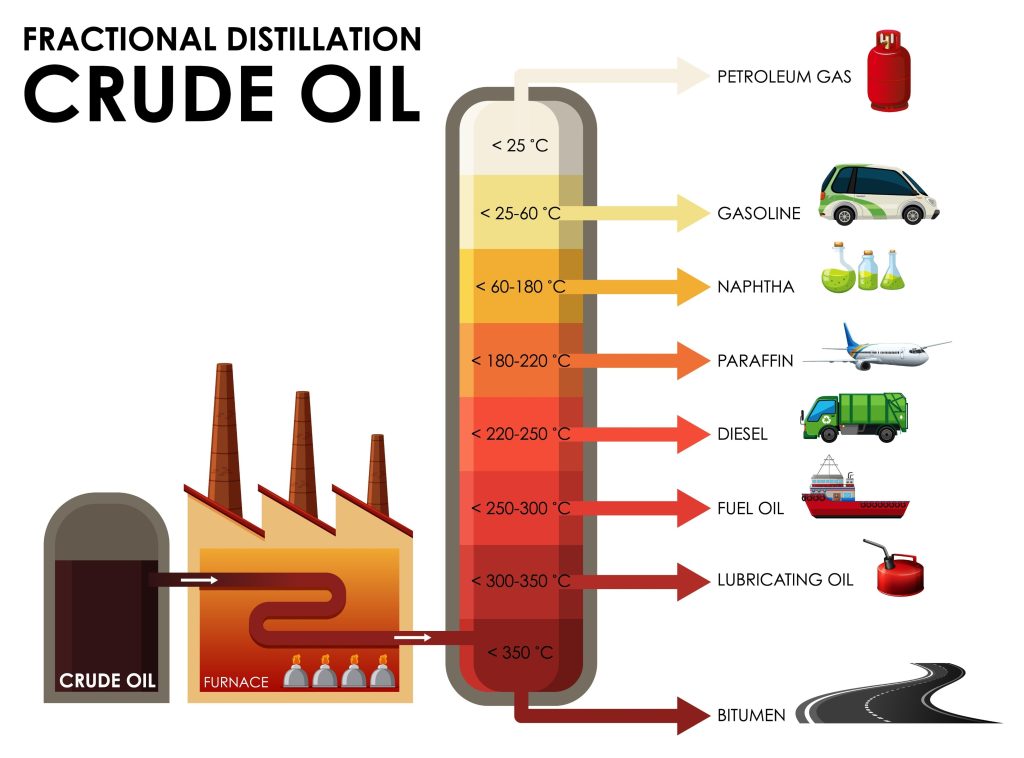
The most immediate impact of a functional Tema Oil Refinery is the end of Ghana’s dangerous reliance on foreign refined products.
- Import Substitution: Before the 2026 revival, Ghana was hemorrhaging roughly $400 million monthly on fuel imports. By refining crude on home soil, Tema Oil Refinery (TOR) is projected to cut this import bill by at least 50%.
- A Buffer Against Volatility: With global chokepoints like the Strait of Hormuz facing constant disruption, domestic refining ensures Ghana isn’t “at the mercy of the international market” for essentials like petrol, diesel, and LPG.
2. Stabilizing the Cedi and Macroeconomic Health
The Ghana Oil and Gas Industry 2026 Impact is most visible in the strength of the local currency. For years, the demand for US Dollars to pay for fuel imports was a primary driver of Cedi depreciation.
- Forex Conservation: Local refining drastically reduces the demand for USD. This easing of pressure helps stabilize the exchange rate, creating a ripple effect that lowers the cost of living.
- Oil-Trade Neutrality: Financial analysts project that Ghana will be “broadly oil-trade neutral” by the end of 2026. Essentially, the revenue from exporting raw crude is no longer instantly drained by the high cost of re-importing it as finished fuel.
3. Lowering the “Pump Price” for Consumers
While global crude prices remain high, TOR provides the National Petroleum Authority (NPA) with levers to keep domestic costs manageable.
- Eliminating Hidden Costs: Local refining removes “import-only” expenses, such as international freight charges, port premiums, and heavy insurance costs associated with long-distance shipping.
- Predictable Pricing: By implementing a phased approach to stabilize production systems, TOR management has created a more predictable price floor, protecting Ghanaians from the wild swings of the global market.
4. Industrial Growth and the 100,000 BPSD Goal
TOR is more than a refinery; it’s an industrial catalyst. The 2026 restart has protected hundreds of specialized technical jobs and opened doors for massive expansion.
- Value Addition: Ghana is finally capturing the “refining margin” within its own borders rather than exporting raw wealth.
- Synergy with Local Fields: Tema Oil Refinery now acts as a ready off-taker for crude produced from Ghana’s own Jubilee and PECAN fields, creating a sophisticated “closed-loop” energy economy.
- Future Expansion: The 2026 roadmap includes a massive 100,000 barrels-per-stream-day (bpsd) expansion project to meet growing regional demand.
5. Modernization: The SCADA and New Furnace Era
The “2026 Reset” wasn’t just about turning the lights back on; it was about a digital and physical overhaul.
- The New Furnace: This critical upgrade is expected to boost production from 28,000 bpd toward 60,000 bpd in the medium term.
- Digital Efficiency: The installation of SCADA (Supervisory Control and Data Acquisition) systems and high-efficiency boilers has minimized waste, ensuring the refinery remains profitable even when crude prices are volatile.
From National Asset to Strategic Shield
In the volatile climate of 2026, the Tema Oil Refinery has moved beyond its historical role. It is now the bridge between being a raw resource producer and an energy-independent nation. By turning a global crisis into a catalyst for domestic maturity, Ghana isn’t just surviving the energy crunch—it’s leading the way out of it.
Beyond Infrastructure: Powering the TOR Expansion with Strategic Partnerships
Amidst the global volatility of 2026, the Tema Oil Refinery has transcended its status as a “national asset” to become Ghana’s most vital strategic shield. By bridging the gap between raw resource extraction and energy independence, Tema Oil Refinery is turning a global crisis into a catalyst for domestic industrial maturity. However, infrastructure alone does not refine oil; it requires a sophisticated ecosystem of technical expertise, seamless logistics, and regulatory precision.
As Tema Oil Refinery scales toward its ambitious 100,000 bpsd expansion, the need for agile operational support has never been greater. This is where Kharis Petroleum Resources and Investments steps in as a critical enabler of this energy transition.
The revitalization effort demands a specialized workforce—from SCADA system engineers to high-efficiency boiler technicians. Through our comprehensive Employer of Record (EOR) and Manpower Solutions, Kharis ensures that the technical talent driving TOR’s modernization is managed with local compliance and international standards. Furthermore, as the refinery strengthens its synergy with offshore fields like Jubilee and PECAN, our offshore logistics and equipment supply chains provide the necessary “connective tissue” to keep the crude flowing from sea to shore without interruption.
In this new era of Ghanaian energy sovereignty, Kharis Petroleum remains committed to being the operational backbone for the companies and professionals securing our nation’s future.