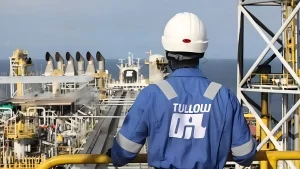
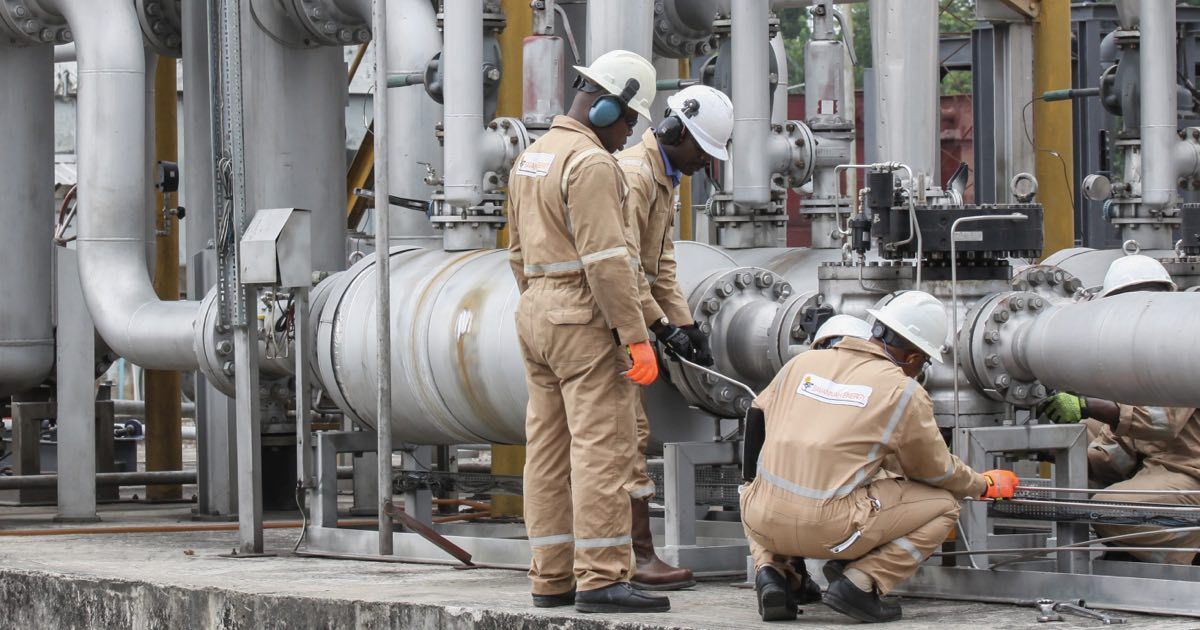
The rise of local oil companies in Nigeria’s energy sector represents a monumental structural shift in how West Africa’s largest hydrocarbon treasury is capitalized, operated, and sustained in 2026. For decades, the upstream ecosystem was dominated almost exclusively by international oil companies (IOCs). Today, a profound domestic rebalancing is underway. As global macroeconomic tensions escalate, such as when OPEC cuts oil demand forecast due to the Hormuz shock and forces multinational consortia to re-evaluate their long-cycle international exposures, local Nigerian operators are rapidly stepping into the gap, acquiring mature fields, and aggressively expanding their production assets.
This structural evolution in the upstream segment runs parallel to a deep, price-driven transformation occurring across the country’s domestic power grid:
The future of renewable energy in Nigeria is no longer a climate conversation; it is an economic survival strategy. For decades, Nigeria’s energy narrative revolved around oil exports and gas-fired generation. Meanwhile, businesses, hospitals, telecom towers, estates, and SMEs built a parallel “generator economy” to compensate for grid instability. In 2026, that model is collapsing under rising diesel costs, FX volatility, and infrastructure constraints. Today, a powerful convergence of declining solar costs, embedded generation policies, private-sector investment, and chronic grid deficits has shifted the paradigm. Nigeria is transitioning toward decentralized, solar-led industrialization not as a luxury, but as a necessity.
As the domestic economy structurally decouples its commercial baselines from expensive, imported diesel fuel via micro-solar infrastructure, the parallel rise of local oil companies in Nigeria’s energy sector allows the country to maximize its remaining crude oil fields. Free from the carbon-reduction pressures that affect Western public markets, these local firms are increasing onshore output to support the newly operational Dangote Refinery and safeguard national oil revenues.
1. The Strategic Foundations Behind the Rise of Local Oil Companies in Nigeria’s Energy Sector
According to a comprehensive mid-2026 sector review published by Wood Mackenzie, Nigerian independent operators now account for an impressive 27% of overall national liquid production, representing a massive leap from a modest 12% just a decade ago. This rapid expansion shows that the rise of local oil companies in Nigeria’s energy sector is not a temporary trend, but the permanent replacement of international majors across mature basins.
| 2016 Production Matric | 2026 Production Matrix |
|---|---|
| International Oil Companies: 88% | International Oil Companies: 73% |
| Indigenous Independents: 12% | Indigenous Independents: 27% |
This structural shift was driven by two main factors: the completion of major onshore divestment programs by international majors like Shell, Eni, ExxonMobil, and Total Energies, and the long-term legal clarity provided by the Petroleum Industry Act (PIA).
By offering clear, volume-based royalty incentives, low corporate taxes on marginal acreage, and strict legal guidelines through the Nigerian Upstream Petroleum Regulatory Commission (NUPRC), the government has built a highly supportive operating environment. This framework enables local management teams to operate mature assets with greater speed, flexibility, and local community support than the international majors they replaced.
2. Major Corporate Players Dominating the Rise of Local Oil Companies in Nigeria’s Energy Sector
A clear indicator of this industrial evolution is that eight of Africa’s top ten indigenous oil and gas producers are now proudly headquartered in Nigeria. This elite peer group holds a collective valuation exceeding $12 billion, as validated by recent data from the African Energy Chamber.
The Multi-Billion Dollar Independent Vanguard
- Renaissance Africa Energy: Made a massive impact on the sector through its historic $2.4 billion acquisition of Shell’s SPDC onshore portfolio, rapidly boosting field output through proactive management.
- Seplat Energy Plc: Serving as a mature market leader, Seplat maintains a resilient capital allocation model and an expansive asset footprint, controlling nearly 900 million barrels of oil equivalent in verified reserves.
- Oando Energy Resources: Following its strategic acquisition of Nigerian Agip Oil Company (NAOC) assets from Eni, Oando recorded a 132% surge in total daily crude production.
- Aradel Holdings: Showcasing excellent financial health, Aradel expanded its total asset value after absorbing ND Western’s extensive infrastructure networks.
Supported by elevated international crude prices driven by Middle Eastern supply disruptions, these companies are directly reinvesting their windfall earnings back into aggressive drilling campaigns. This rapid deployment of capital accelerates the Rise of local Oil Companies in Nigeria’s Energy Sector, with smaller operators like Petralon Energy and Amni International fast-tracking extra production wells to capture extra market share before the end of the year.
3. Sourcing Technical Talent and Operational Compliance Across Regional Borders
The multi-billion-dollar brownfield development programs currently led by local consortia, including a massive $35 billion joint capital program planned by Renaissance, Seplat, and Oando, require a highly specialized, international technical workforce. To sustain the ongoing rise of indigenous oil companies in Nigeria’s energy sector, local operators must continuously bring in international drilling consultants, subsea technicians, and geophysicists.
Navigating Immigration and Mobility Regulations
To execute these field moves without facing costly compliance delays, corporate HR teams must thoroughly understand how to stay compliant with immigration laws in Nigeria by actively tracking Expatriate Quota allocations and utilizing the automated Expatriate Administration System (EAS).
Managing Cross-Border Compliance Teams
Furthermore, as successful Nigerian independent operators expand their business models into nearby West African maritime countries, corporate mobility teams must quickly adapt to regional employment laws. For instance, if an engineering support team is deployed to neighboring French-speaking markets, asset managers must carefully analyze what to look for in an Ivory Coast EOR provider.
HR leads must verify whether a prospective partner or local EOR can sponsor work permits in Ivory Coast directly under their own corporate entity, ensuring absolute alignment with the core labour laws in the Ivory Coast that every foreign employer should know.
Proactively managing these international assignments protects organizations from complex payroll and tax compliance challenges in Africa, avoiding unexpected compliance audits. When specialized technical leads know their international taxation, local currency payments, and corporate residency permits are handled flawlessly across both Anglophone and Francophone corridors, operators naturally improve the importance of employee retention strategies, keeping top-tier engineering talent securely within the organization during intense regional competitions, such as the active Star Oil vs GOIL fuel rivalry unfolding across downstream supply lines.
4. Championing Inclusion, Diversity, and Local Workspace Development
A key advantage of the rise of local oil Companies in Nigeria’s energy sector is the natural commitment to developing local human capital and building inclusive corporate workspaces. Unlike the historic top-down management structures used by distant international majors, indigenous firms are deeply invested in training local engineering talent and expanding domestic leadership pipelines.
A vital part of this collaborative evolution is supporting workforce diversity across technical roles. In traditionally male-dominated sectors, championing the advancement of Women in Oil and Gas is proving to be a major competitive differentiator for local operators. By ensuring equal access to senior leadership tracks and advanced offshore technical certifications, local operators are building highly resilient, diverse workforces that drive long-term innovation across the country’s energy infrastructure.
5. Advanced Corporate Communication Architectures
Maintaining absolute operational safety during intense onshore drilling campaigns requires a secure internal communications framework that connects remote field teams, offshore assets, and centralized corporate offices in real time.
Our compliance managers rely on advanced messaging architectures to maintain clear, encrypted communication lines across our regional networks.
By utilizing automated digital reporting pipelines, we ensure that project milestones, changing tax deadlines, upcoming visa renewals, and local security alerts are shared across our operations in real-time, eliminating operational blind spots.
6. Overcoming Capital and Financing Challenges
While the rise of local oil companies in Nigeria’s energy sector has driven significant production gains, maintaining this upward trend requires securing continuous long-term capital. Because international Western banks continue to limit funding for fossil fuel projects due to strict global environmental rules, local firms must develop alternative financing strategies.
To overcome these funding barriers, Nigerian independents are forming strategic partnerships with investment funds across the Middle East and Asia, accessing local commercial bank syndications, and launching direct debt offerings on international exchanges. By combining alternative capital channels with highly efficient digital operations, local firms are successfully funding large-scale brownfield redevelopment projects, turning aging oil fields into reliable, high-yield assets.
The New Era of Domestic Energy Sovereignty
Ultimately, the historic rise of local oil companies in Nigeria’s energy sector marks a new era of domestic energy sovereignty and economic resilience for West Africa. By successfully acquiring mature assets from international majors, deploying advanced digital technologies, and building deeply inclusive, locally responsive workforces, independent operators are proving that local ownership can deliver world-class operational efficiency. Contact Kharis Petroleum & Resources today to find out how our specialized engineering logistics, high-spec procurement channels, and experienced multi-country manpower solutions can de-risk your regional projects and secure your 2026 global workforce strategy