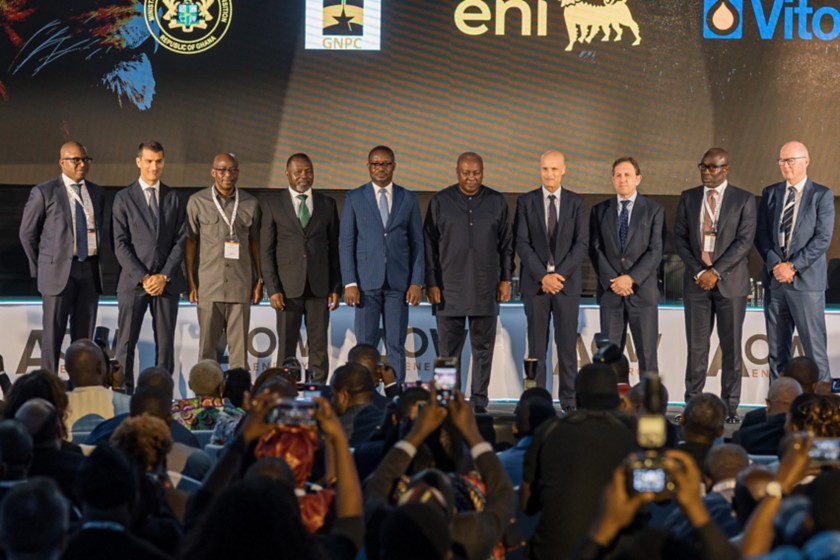
Vitol Ghana solidifies upstream footprint with a landmark offshore expansion that promises to redefine the West African energy landscape in 2026. As the global energy market grapples with supply chain shifts and a transition toward more efficient extraction, Vitol’s strategic move in the Tano Basin signals a robust vote of confidence in Ghana’s petroleum sector. This expansion isn’t just about increasing barrels per day; it’s about a long-term commitment to the “Decade of Gas” and strengthening the indigenous energy value chain.
The announcement comes at a time when Ghana is positioning itself as the premier hub for petroleum services in the sub-region. By integrating advanced deepwater technology with a localized operational strategy, Vitol is setting a new benchmark for how multinationals collaborate with host governments. For stakeholders, from government agencies to service providers, the reality that Vitol Ghana solidifies upstream footprint provides a much-needed catalyst for industrial growth and energy security.
1. The Strategic Context: Why Vitol Ghana Solidifies Upstream Footprint Now
The decision behind why Vitol Ghana solidifies upstream footprint in 2026 is rooted in the success of the Offshore Cape Three Points (OCTP) project. Since the first oil in 2017 and gas in 2018, the Sankofa-Gye Nyame fields have been the backbone of Ghana’s thermal power generation.
Capitalizing on the Tano Basin Potential
In 2026, the focus has shifted toward the untapped reservoirs surrounding the existing infrastructure. By leveraging existing FPSO capabilities and subsea tie-backs, Vitol is reducing the lead time for new production. This “brownfield” expansion strategy is a major reason why Vitol Ghana solidifies upstream footprint so effectively—it maximizes current assets while exploring new horizons.
2. Technical Deep Dive: The Offshore Expansion Details
As Vitol Ghana solidifies upstream footprint, the technical complexity of the projects is reaching new heights. The 2026 expansion involves the deployment of next-generation subsea trees and a significant upgrade to the processing capacity of the Sankofa Gye Nyame FPSO.
Enhanced Oil Recovery (EOR) Initiatives
A key component of this expansion is the introduction of Enhanced Oil Recovery techniques. Much like the strategies discussed in our guide on payroll compliance in Ivory Coast through EOR services, “EOR” in the technical sense is about maximizing the lifecycle of an asset. Vitol’s use of water-alternating-gas (WAG) injection is expected to increase the recovery factor of the Sankofa field by an estimated 15%.
3. Economic Impact: How Vitol Ghana Solidifies Upstream Footprint for the Nation
When Vitol Ghana solidifies upstream footprint, the ripple effects are felt throughout the Ghanaian economy. According to the Petroleum Commission of Ghana, the upstream sector contributes significantly to the national GDP, and Vitol’s expansion is projected to increase government revenue through royalties and carried interests.
The GNPC Synergy
Vitol’s partnership with the Ghana National Petroleum Corporation (GNPC) remains a cornerstone of this expansion. By sharing technical expertise and financial risk, the two entities ensure that the Ivorian and Nigerian borders remain secure and productive zones of influence. This cooperation is a clear indicator of how Vitol Ghana solidifies upstream footprint while fostering local capacity.
4. Managing the Workforce: Technical Manpower in 2026
The massive scale of this expansion requires an unprecedented level of specialized labor. As Vitol Ghana solidifies upstream footprint, the demand for subsea engineers, reservoir experts, and HSE (Health, Safety, and Environment) officers is at an all-time high.
The Challenges of Contractor Management
Navigating the human capital requirements for a project of this magnitude mirrors the complexities of oil and gas contractor management in Nigeria. Vitol must balance international expertise with strict local content requirements. This is where strategic partners like Kharis Petroleum Resources & Investments come into play, providing the operational backbone for manpower and compliance.
5. Logistics and Equipment: The Lifeblood of Offshore Expansion
A major reason Vitol Ghana solidifies upstream footprint so successfully is its integrated logistics chain. From the port of Takoradi to the deep water rigs, every piece of equipment must be moved with surgical precision.
- Offshore Support Vessels (OSVs): The expansion has seen a 25% increase in the utilization of OSVs for supply runs and emergency response.
- Equipment Supply Chains: Our recent Brevo email campaign highlighted the critical need for high-spec subsea equipment to support these 2026 targets.
- Shorebase Operations: The expansion has led to the development of new “Smart Shorebases” in the Western Region, utilizing IoT to track asset movement in real-time.
6. Regulatory Compliance: Navigating the 2026 Framework
As Vitol Ghana solidifies upstream footprint, it must navigate an evolving regulatory landscape. The 2026 energy reforms in Ghana have introduced stricter environmental monitoring and mandatory digital reporting for all upstream activities.
Local Content and the “Ivorian Connection”
With Ivory Coast’s recent discoveries, there is a regional push for standardized labor laws. Understanding labor laws in Ivory Coast every foreign employer should know is now a requirement for cross-border logistics teams that serve both the Ivorian and Ghanaian basins. Vitol’s compliance team is at the forefront of this regional alignment, ensuring that their expansion remains a model of corporate governance.
7. Downstream Synergy: How Upstream Growth Fuels the Pump
While this is an upstream story, the fact that Vitol Ghana solidifies upstream footprint has massive implications for the retail market. More domestic production means less reliance on imported refined products, which can stabilize prices at the station.
In the ongoing Star Oil vs GOIL fuel rivalry, the availability of domestic crude and gas-to-power infrastructure provides the stability needed for OMCs to plan their long-term growth. Vitol’s expansion essentially “feeds” the downstream sector, ensuring that the “Decade of Execution” is felt at every fuel pump in the country.
8. ESG and Sustainability in the Tano Basin
Modern energy expansion is not just about extraction; it’s about doing so responsibly. As Vitol Ghana solidifies upstream footprint, it is integrating Environmental, Social, and Governance (ESG) principles into the very core of its operations.
- Zero Flaring Policy: The 2026 expansion continues the commitment to zero routine flaring, with gas being re-injected or piped to the onshore processing plant at Atuabo.
- Community Investment: Vitol has increased its funding for STEM education in the Western Region, ensuring that the next generation of engineers is Ghanaian-grown.
- Carbon Offsetting: New initiatives in the Tano Basin are being paired with reforestation projects in the Northern Region to balance the project’s carbon footprint.
9. The “Brevo” Strategy: Communicating Excellence
To keep stakeholders informed as Vitol Ghana solidifies upstream footprint, communication is key. Following our management reporting standards, we have utilized Brevo to ensure that our network of offshore contractors and equipment suppliers receives real-time updates on procurement windows.
This digital outreach has proven that even in a heavy industrial sector like oil and gas, the “marketing” of operational success is vital for maintaining investor confidence and lead generation for future service contracts.
10. Future Outlook: What’s Next After Vitol Ghana Solidifies Upstream Footprint?
Looking toward 2027 and beyond, the success of this expansion will likely lead to further exploration in the ultra-deepwater blocks. The fact that Vitol Ghana solidifies upstream footprint today means that the infrastructure for tomorrow’s discoveries is already being built.
As production targets move toward 200,000 barrels per day across all fields, Ghana is set to become a net exporter of energy services, not just energy products. The technical lessons learned during this expansion will be exported to other emerging markets across the continent.
Conclusion: A New Chapter for Vitol and Ghana
In conclusion, the news that Vitol Ghana solidifies upstream footprint is a defining moment for the 2026 energy year. It represents a synergy of technical prowess, financial commitment, and regulatory respect. By expanding offshore, Vitol is not only securing its own future but also fueling the economic engine of Ghana.
At Kharis Petroleum Resources & Investments, we are proud to support the leaders of this industry. Whether through talent management services, offshore equipment supply, or regulatory consulting, we ensure that as the industry expands, your projects stay on track and on budget.
Contact Kharis Petroleum today to learn how our integrated solutions can support your footprint in the West African energy corridor.