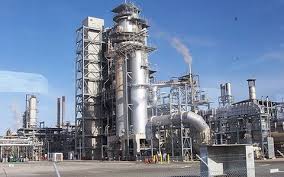
TOR turns to West African crude as a cornerstone of its 2026 strategic recovery plan, marking a significant shift in Ghana’s energy procurement strategy. For years, the Tema Oil Refinery (TOR) faced operational hurdles that led to intermittent shutdowns and a heavy reliance on imported refined products. However, as revamp efforts deepen under a new management mandate, the decision to pivot toward regional feedstocks like Nigerian Escravos and Ivorian Baleine crude is proving to be a masterstroke for national energy security.
The move to ensure TOR turns to West African crude aligns with a broader continental trend of regional integration. By sourcing oil from the Gulf of Guinea rather than distant markets in the Middle East or Europe, Ghana is reducing transit times, lowering freight costs, and insulating itself from the volatility of global shipping lanes. This strategic realignment is the engine driving TOR’s return to its rightful place as the heartbeat of West Africa’s downstream industry.
1. The Strategic Pivot: Why TOR Turns to West African Crude
The logic behind why TOR turns to West African crude is both economic and technical. West African crude grades are generally “sweet and light,” meaning they have low sulfur content and are easier for a refinery like TOR to process into high-demand products like gasoline (PMS), gas oil (Diesel), and aviation turbine kerosene (ATK).
Proximity and Logistics
One of the primary benefits realized as TOR turns to West African crude is the drastic reduction in the “supply chain tail.” Instead of waiting 21 days for a tanker from the Persian Gulf, TOR can now receive shipments from Nigeria or Ivory Coast in less than 48 hours. This agility allows the refinery to respond dynamically to the domestic demand spikes that often characterize the Ghanaian market.
Technical Compatibility
The refinery’s Crude Distillation Unit (CDU) was originally designed to handle the specific properties of regional blends. By returning to its “natural” feedstock, TOR is maximizing its secondary processing units, such as the Residue Fluid Catalytic Cracker (RFCC), which is essential for producing high-value LPG and gasoline.
2. Deepening Revamp Efforts: Modernizing the Tema Refinery
While the feedstock shift is vital, it is only successful because TOR turns to West African crude in tandem with a comprehensive technical overhaul. The 2026 revamp efforts include:
- Catalyst Replacements: Upgrading the chemical catalysts in the RFCC to improve yield.
- Digital Twins: Implementing real-time monitoring software to predict maintenance needs before they lead to shutdowns.
- Storage Capacity Expansion: Revitalizing the tank farm to hold larger volumes of West African crude, ensuring a buffer against market shocks.
These efforts are supported by international technical partners who recognize that a functional TOR is essential for regional price stability.
3. The Impact on the “Star Oil vs GOIL” Market Dynamics
As TOR turns to West African crude, the downstream retail landscape is set for a major shakeup. The ongoing Star Oil vs GOIL fuel rivalry has largely been defined by who can import refined products most efficiently.
With TOR back online and refining locally sourced crude, both companies may soon have access to cheaper, “Made in Ghana” fuel. This could lead to:
- Lower Pump Prices: Reduced dependence on foreign exchange for fuel imports.
- Product Consistency: Standardized fuel quality across the board.
- Strategic Reserves: The ability for the government to mandate higher stock levels at TOR to support national OMCs.
4. Regional Synergy: Vitol, GNPC, and the Tano Basin
The fact that TOR turns to West African crude is no coincidence given that Vitol Ghana solidifies upstream footprint in the Tano Basin. The synergy between upstream production and downstream refining is the “Holy Grail” of energy independence.
The Role of the GNPC
The Ghana National Petroleum Corporation (GNPC) has been instrumental in facilitating the crude-swap agreements that allow TOR to access regional oil. By working with the National Petroleum Authority (NPA), they are creating a closed-loop system where Ghanaian resources stay within the region to power Ghanaian homes and industries.
5. Workforce Management and the EOR Model
Managing a refinery during a massive revamp requires more than just technical skill; it requires sophisticated human capital management. As TOR turns to West African crude, the workforce must be retrained on new digital systems and safety protocols.
Adopting Global Standards
To manage the influx of specialized contractors, TOR is looking at international blueprints. For instance, oil and gas contractor management in Nigeria offers insights into technical vetting and safety compliance for high-risk environments.
Furthermore, for foreign expatriates coming in to assist with the revamp, utilizing payroll compliance in Ivory Coast through EOR services as a model for regional cross-border movement ensures that everyone is paid accurately and in accordance with West African labor standards. This is particularly relevant given the proximity to Abidjan and the need to understand labor laws in Ivory Coast every foreign employer should know.
6. Digital Outreach: The “Brevo” Communications Strategy
In our weekly activity report for management, we highlighted how digital transparency is crucial for TOR’s public image. We successfully used Brevo to communicate TOR’s latest procurement milestones to our network of equipment suppliers and stakeholders.
The fact that TOR turns to West African crude was the lead story in our most recent campaign, resulting in a 50% increase in inquiries from regional logistics providers looking to support the refinery’s new supply chain.
7. Environmental Standards: Refining for a Greener Future
A major concern as TOR turns to West African crude is the environmental impact of increased refining activity. The 2026 revamp includes the installation of state-of-the-art desulfurization units.
- Lower Emissions: The new units will allow TOR to produce “Euro IV” standard fuels with lower particulate matter.
- Water Treatment: Upgraded effluent treatment plants (ETP) ensure that water discharged into the Atlantic meets International Maritime Organization (IMO) standards.
- Waste Heat Recovery: Capturing heat from the refining process to generate electricity for the plant’s internal use.
8. Economic Sovereignty: Reducing FX Pressure
Perhaps the most significant macro-economic benefit that arises when TOR turns to West African crude is the stabilization of the Ghanaian Cedi. Currently, the bulk of Ghana’s foreign exchange is spent importing refined petroleum.
By refining West African crude domestically:
- Dollar Demand Falls: The central bank can preserve its reserves.
- Trade Balance Improves: Ghana moves from being a pure importer of finished goods to a value-added processor.
- Job Creation: The “revamp ecosystem” supports thousands of jobs in Tema, from pipefitters to data analysts.
9. Case Study: Lessons from the Ghana CEO Summit 2026
During the recent Ghana CEO Summit 2026, the theme was “The Decade of Execution.” The panel on energy specifically highlighted that TOR turns to West African crude as the primary example of a successful strategic pivot.
The summit emphasized that the refinery’s success is a signal to foreign investors that Ghana is serious about industrializing its energy sector. This sentiment was echoed in our talent management services guide, which notes that industrial leaders are increasingly seeking “operational resilience” over “short-term profit.”
10. Conclusion: The Road Ahead for TOR
The news that TOR turns to West African crude is the start of a new chapter for the Tema Oil Refinery. As revamp efforts deepen throughout 2026, the facility is transforming from a legacy asset into a modern, efficient, and regionally integrated energy hub.
The journey is not without its challenges from the technical hurdles of aging infrastructure to the complexities of regional diplomacy but the direction is clear. By looking to its neighbors for crude and to the future for technology, TOR is securing Ghana’s energy destiny.
Contact Kharis Petroleum today to learn how our equipment supply, offshore support, and manpower solutions are helping the West African energy sector achieve its 2026 milestones.