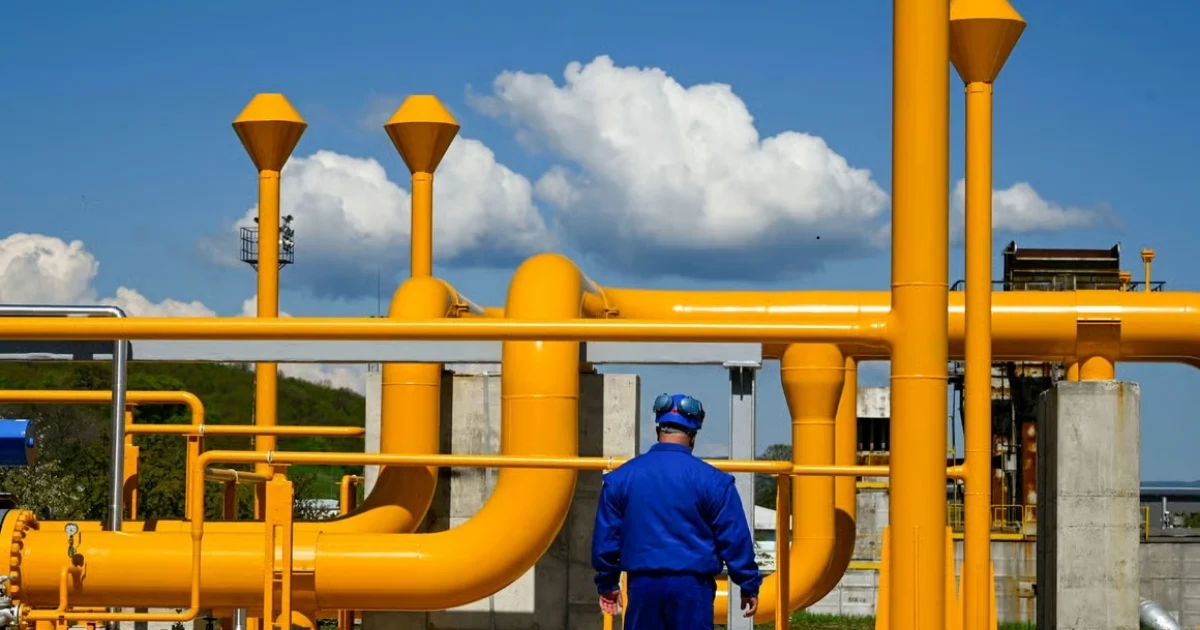
West African Gas Pipeline infrastructure has become one of the most strategically important energy assets in West Africa. As Nigeria seeks to maximize the value of its vast natural gas reserves and Ghana strives to secure reliable fuel supplies for power generation and industrial growth, the West African Gas Pipeline has emerged as an economic survival strategy that supports energy security, regional integration, and sustainable economic development.
For decades, Nigeria’s energy narrative revolved around crude oil exports and gas-fired electricity generation. Meanwhile, Ghana faced periodic energy shortages and depended heavily on imported fuels to support its growing economy. The development of the West African Gas Pipeline fundamentally changed this dynamic by creating a regional energy corridor capable of delivering Nigerian natural gas to Ghana, Benin, and Togo.
Today, the pipeline is not merely a gas transportation system. It is a critical economic asset that supports power generation, industrial expansion, foreign investment, and long-term energy resilience across West Africa.
What Is the West African Gas Pipeline?
The West African Gas Pipeline (WAGP) is a regional natural gas transmission system designed to transport natural gas from Nigeria to neighboring West African countries, including Benin, Togo, and Ghana.
The pipeline extends approximately 678 kilometers from Nigeria’s gas-producing regions through offshore and onshore facilities before reaching major consumption centers in Ghana.
The project was developed under the framework of the Economic Community of West African States (ECOWAS) to promote regional energy cooperation and improve access to cleaner and more affordable energy resources.
West African Gas Pipeline Benefits to the Nigerian Oil and Gas Industry
Increased Revenue from Natural Gas Exports
One of the most significant benefits of the West African Gas Pipeline is its ability to generate export revenue for Nigeria.
Nigeria possesses some of Africa’s largest proven natural gas reserves. Historically, a substantial portion of associated gas produced alongside crude oil was flared due to inadequate infrastructure and limited domestic utilization.
The pipeline creates a profitable export market for Nigerian gas producers, enabling them to monetize gas resources that might otherwise remain underutilized.
This contributes directly to:
- Increased foreign exchange earnings
- Higher government revenues
- Enhanced royalty collections
- Greater profitability for upstream operators
Reduction in Gas Flaring
Gas flaring has long been a challenge for Nigeria’s oil and gas sector.
The West African Gas Pipeline helps reduce gas flaring by creating demand for associated gas. Instead of burning excess gas, producers can process and transport it to regional markets.
This supports Nigeria’s environmental goals while simultaneously generating economic value from resources that were previously wasted.
Strengthening Nigeria’s Gas Economy
The Nigerian government has consistently emphasized the importance of transitioning from an oil-dependent economy to a gas-powered economy.
The West African Gas Pipeline supports this vision by:
- Encouraging gas investments
- Expanding gas infrastructure
- Creating regional gas markets
- Supporting long-term energy diversification
The pipeline demonstrates how natural gas can become a key driver of Nigeria’s future economic growth.
Learn more about Offshore Support Services in Nigeria
Attracting Foreign Direct Investment
Energy infrastructure attracts investors.
The success of the West African Gas Pipeline has increased confidence among international investors looking to participate in:
- Gas processing facilities
- LNG projects
- Pipeline expansion initiatives
- Industrial gas utilization projects
This inflow of investment contributes to job creation and technology transfer within Nigeria’s oil and gas industry.
West African Gas Pipeline Benefits to the Ghana Oil and Gas Industry
Reliable Fuel Supply for Power Generation
One of the most important advantages of the West African Gas Pipeline for Ghana is access to reliable natural gas supplies.
Natural gas delivered through the pipeline fuels thermal power plants that generate a significant portion of Ghana’s electricity.
Reliable gas supplies help reduce dependence on:
- Expensive imported fuel oil
- Diesel-powered generation
- Emergency power solutions
As a result, Ghana benefits from lower electricity production costs and improved energy security.
Supporting Industrial Development
Affordable energy is essential for industrial growth.
The West African Gas Pipeline provides Ghanaian industries with access to cleaner and more cost-effective fuel sources.
Industries benefiting from gas supply include:
- Manufacturing
- Mining
- Petrochemicals
- Cement production
- Food processing
By reducing energy costs, the pipeline enhances competitiveness and supports economic expansion.
Strengthening Ghana’s Emerging Oil and Gas Sector
Although Ghana has developed domestic gas resources from offshore fields, imported gas remains an important component of the country’s energy mix.
The West African Gas Pipeline complements domestic production and helps stabilize supply during maintenance periods, production disruptions, or fluctuations in domestic gas output.
This integrated approach enhances resilience across Ghana’s oil and gas value chain.
Enhancing Investor Confidence
Reliable energy infrastructure attracts investment.
The availability of pipeline gas improves confidence among local and international investors considering projects in:
- Industrial parks
- Manufacturing facilities
- Mining operations
- Energy-intensive industries
This contributes to economic growth and employment creation.
Why the West African Gas Pipeline Is an Economic Survival Strategy
The importance of the West African Gas Pipeline has become even more evident in 2026.
Across West Africa, rising energy demand, fuel price volatility, and infrastructure challenges have increased the need for stable and affordable energy solutions.
For Nigeria, the pipeline provides an opportunity to monetize gas resources and reduce dependence on crude oil exports.
For Ghana, it ensures access to affordable fuel for power generation and industrial development.
In many ways, the pipeline serves as an economic survival strategy by helping both countries navigate:
- Global energy market volatility
- Rising fuel costs
- Infrastructure constraints
- Industrial energy demands
- Foreign exchange pressures
The pipeline strengthens economic resilience while supporting sustainable development goals.
The Future of the West African Gas Pipeline
As energy demand continues to rise across West Africa, the strategic importance of the West African Gas Pipeline will likely increase.
Future opportunities include:
Expansion of Regional Gas Markets
The success of the pipeline could encourage additional regional gas infrastructure projects that connect more countries to reliable energy supplies.
Increased Industrial Gas Utilization
Growing industrial demand for natural gas will create new opportunities for manufacturers and investors throughout the region.
Support for Energy Transition Goals
Natural gas is widely regarded as a transition fuel that can support lower-carbon economic development.
The West African Gas Pipeline enables countries to reduce reliance on more carbon-intensive fuels while maintaining economic growth.
Strengthening Regional Integration
Energy cooperation fosters broader economic integration.
The pipeline demonstrates how shared infrastructure can support regional trade, investment, and development objectives.
Conclusion
The West African Gas Pipeline is far more than a transportation network for natural gas. It is a strategic economic asset that supports energy security, industrial growth, foreign investment, and regional cooperation.
For Nigeria, the pipeline unlocks new revenue streams, reduces gas flaring, strengthens the gas economy, and attracts investment into the oil and gas sector.
For Ghana, it provides reliable fuel for power generation, supports industrial development, enhances energy security, and complements domestic gas production.
In an era characterized by rising energy demand, fuel price volatility, and infrastructure challenges, the West African Gas Pipeline has become an economic survival strategy that will continue shaping the future of the Nigerian and Ghanaian oil and gas industries for years to come.